Liberty Exhibition at the Fashion and Textile Museum, London

As you might have gathered from some of my previous posts, my textile chum and I have regular trips here, there and everywhere in search of the latest inspiration in pattern and cloth.

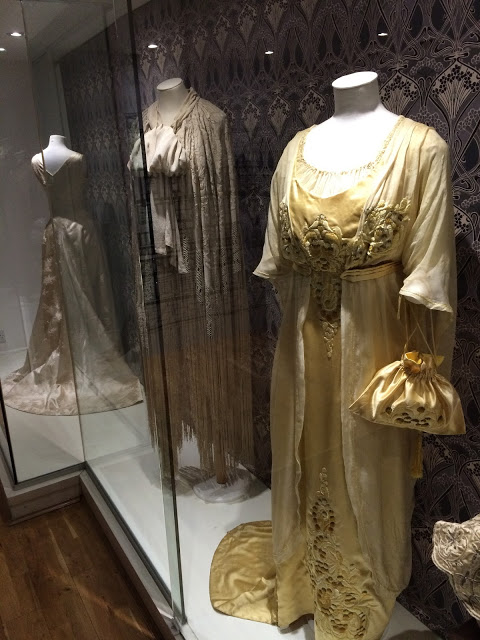
We both dabble in embroidery and felt-making. I have a background in patchwork and quilting and my chum is a tailoress.  Every now and again we come across an exhibition that enthrals and captivates us. The Liberty exhibition ticked all the boxes. The Fashion and Textile Museum’s fabulously high ceilings and interchangeable space was arranged to display the pieces beautifully. Many of its previous textile exhibitions haven’t been behind glass enabling visitors to see each garment up close. The Liberty Exhibition was no exception. You could see every stitch, texture and surface embellishment unhindered so the true beauty of the fabric shone through.
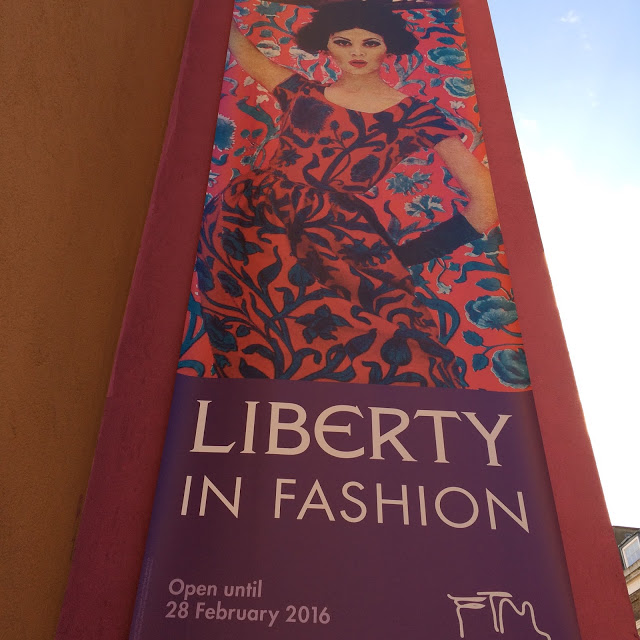
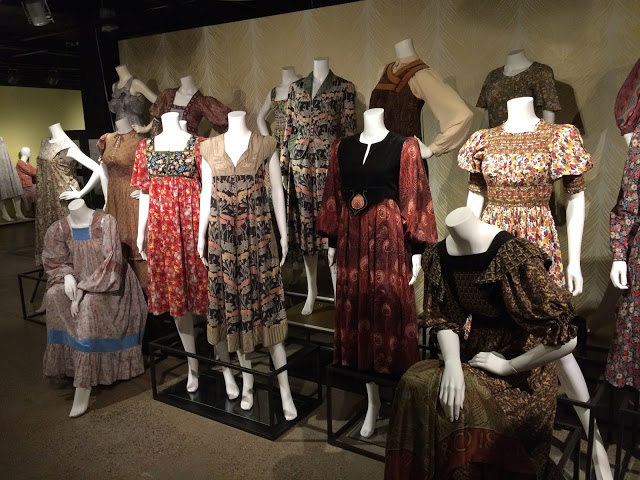
We were taken on a journey through time from the Court Dresses of the 1900’s, the Arts and Crafts movement, the Swinging 60’s through to Liberty in 2016.
Here is a just a flavour of the exhibition – enjoy.
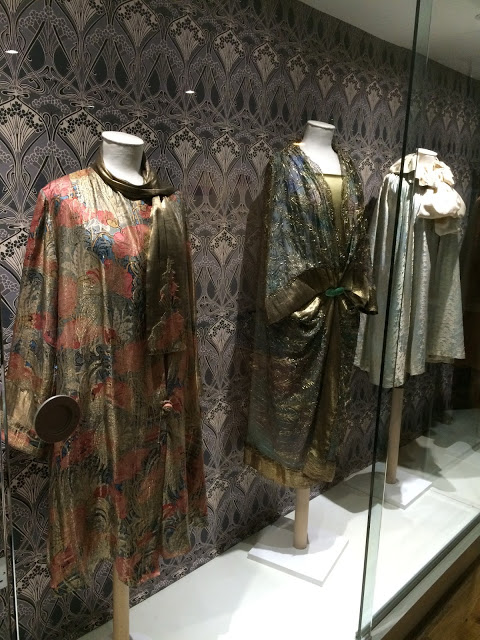
1900-1910 Court Dress and Afternoon Dress, Spitalfields Silk Brocade
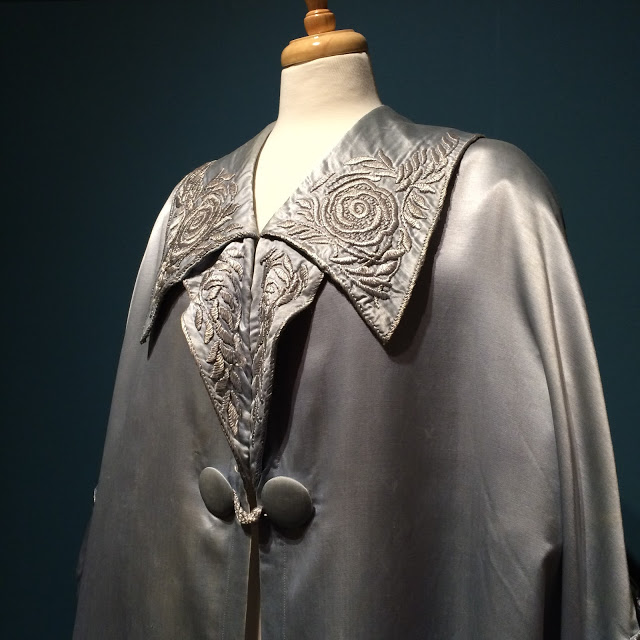
Early 1900’s Kimono Style
Embroidered detail – Kimono Style garment
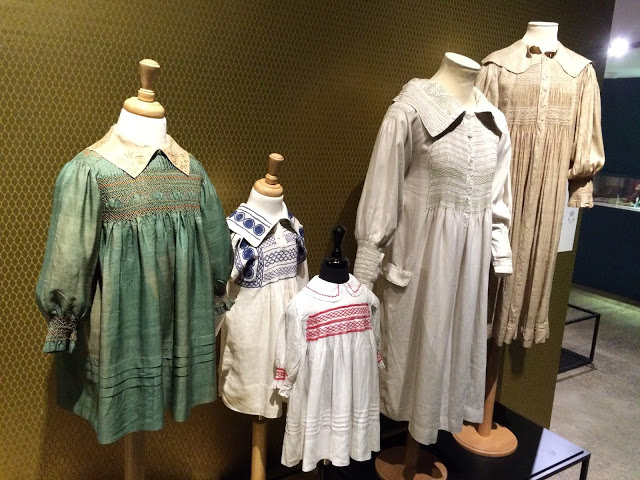
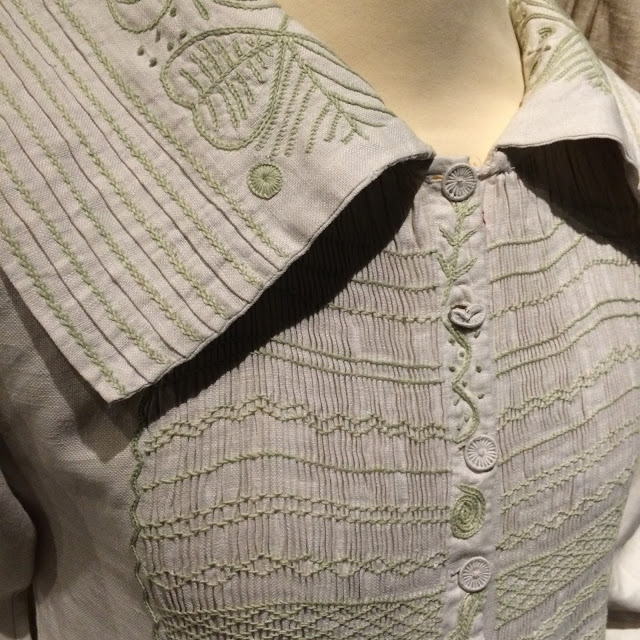
1910 -1920 A celebration and revival of the art of Smocking 
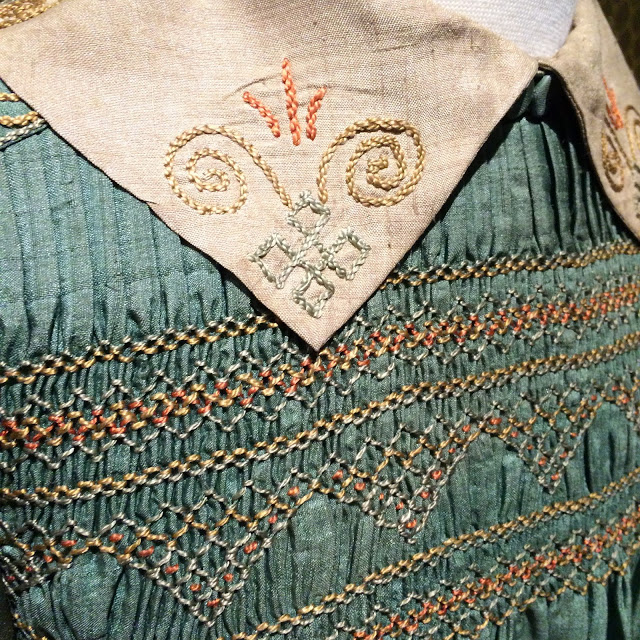
Smocking detail
Smocking detail and Dorset Buttons
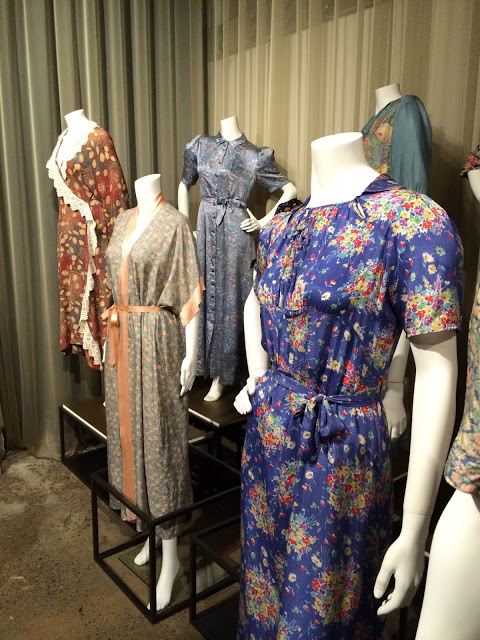
1930-1940 Silk, Cotton.
Garments mainly made by dressmakers, but some are beginning to be commercially made.
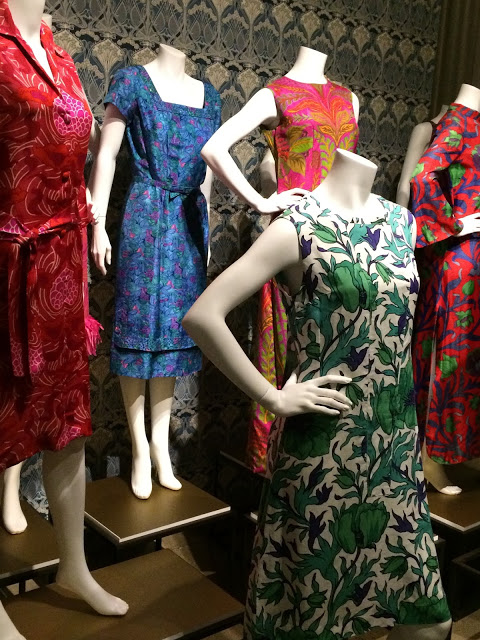
1950’s A revival in Art Nouveau patterns.
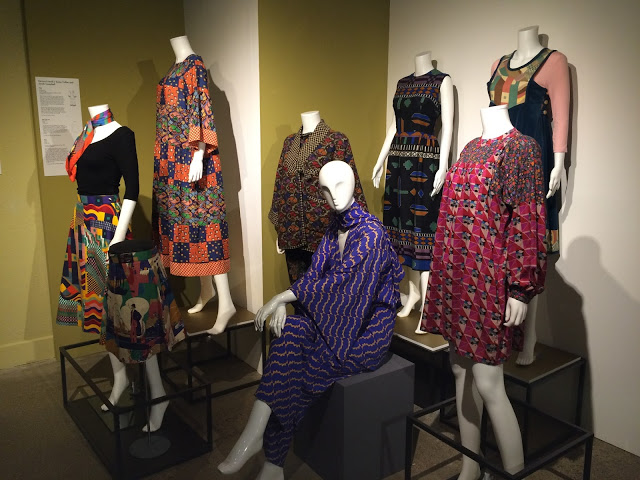
The Swinging 60’s. Influence by the pattern of Art Deco.
Cotton, Cotton voile, Cotton Velveteen, wool, Tana Lawn.
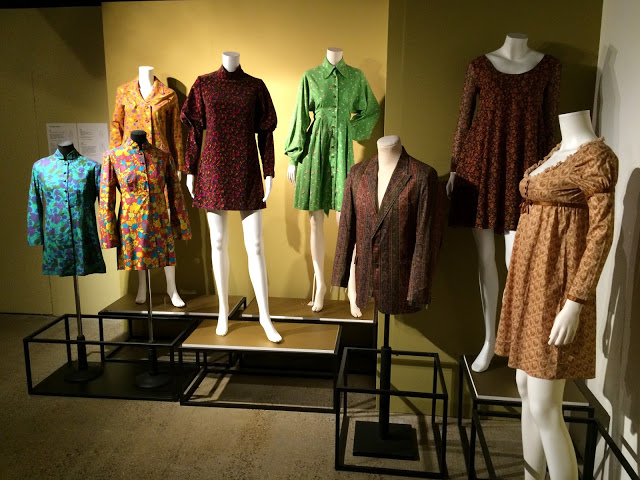
1970’s Nostalia. Tana Lawn
1970’s – Silk, cotton, velveteen, wool.
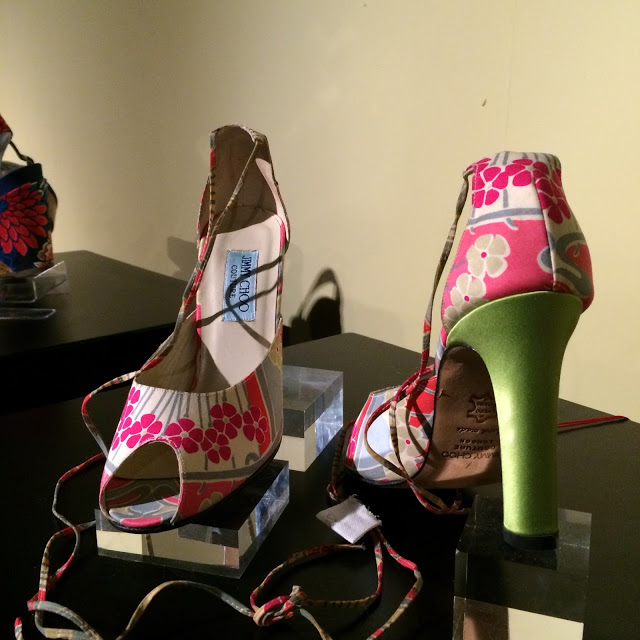
1999 – Collaboration with Jimmy Choo
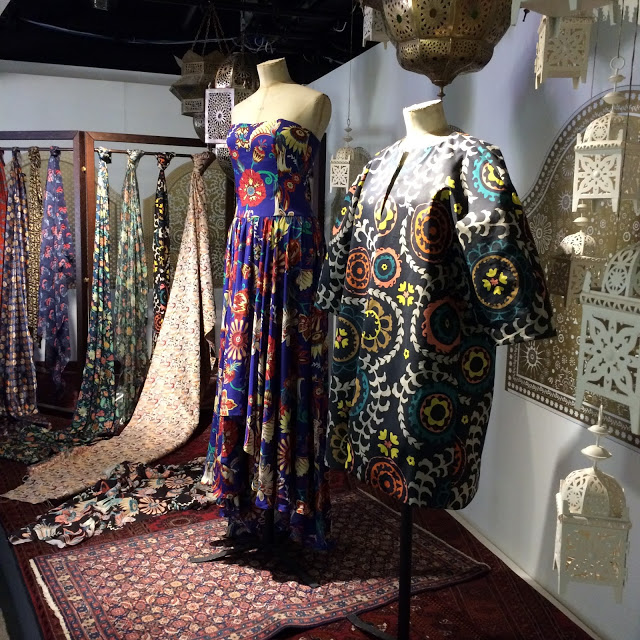
Liberty in 2016
 The photos capture the essence of the exhibition which finishes at the end of February 2016. I can definitely recommend a visit – especially for the Liberty fans out there.

How to make a Dorset Button

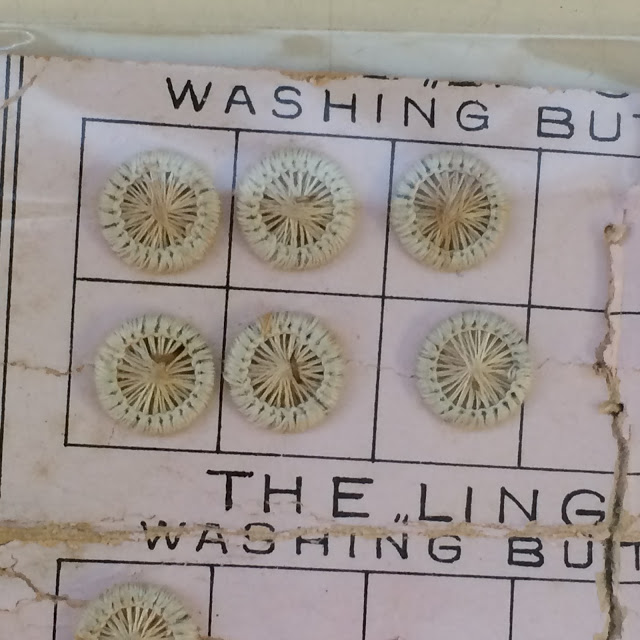
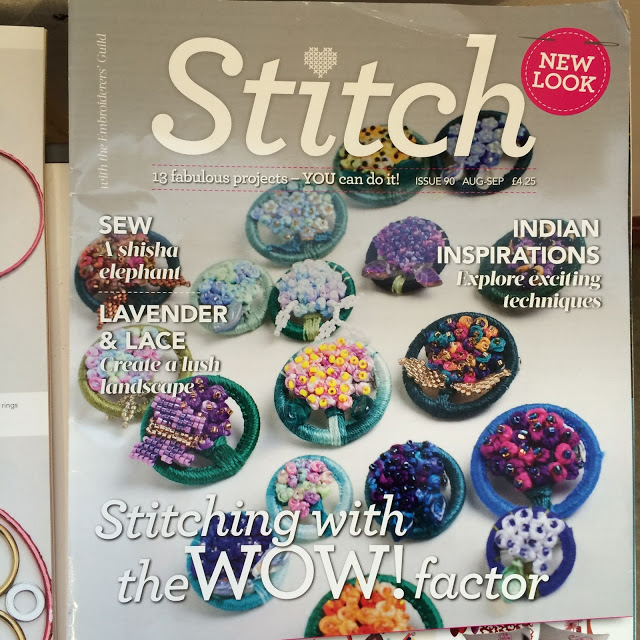
I have wanted to learn the art of Dorset button making  for some time.  A two hour workshop at my local Embroiderers’ Guild cropped up, and was a perfect excuse to chat with my sewing chums and learn!  A collection of stunning vintage pieces and a copy of Stitch magazine provided inspiration for our first Dorset Button.

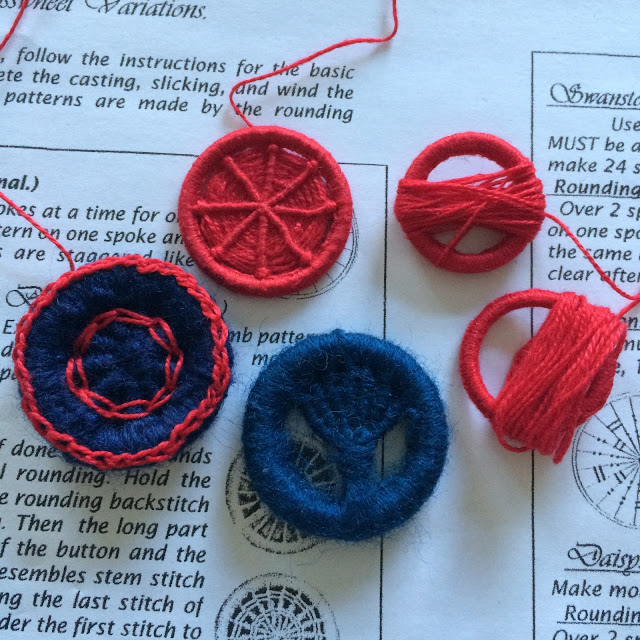
So I started my first ever Dorset Button. Any ring made of plastic, bone or metal will do the job perfectly. Perle cotton number 8 thread, a tapestry needle, a brass ring and blanket stitch. This stage was called ‘Casting’.  I found out that the thread needs to be longer than you think – enough to finish the whole project. I was recommended 3 arm lengths of thread which was ample for a medium to large size ring.
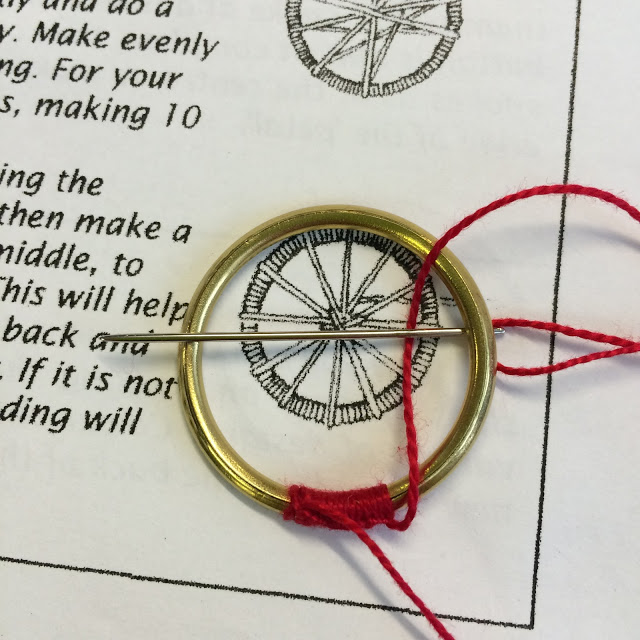
Blanket Stitch – Casting

Next came ‘Slicking’. The ridge formed by the blanket stitch was turned to the centre of the ring, making a smooth edge to the ring ready for the next stage.
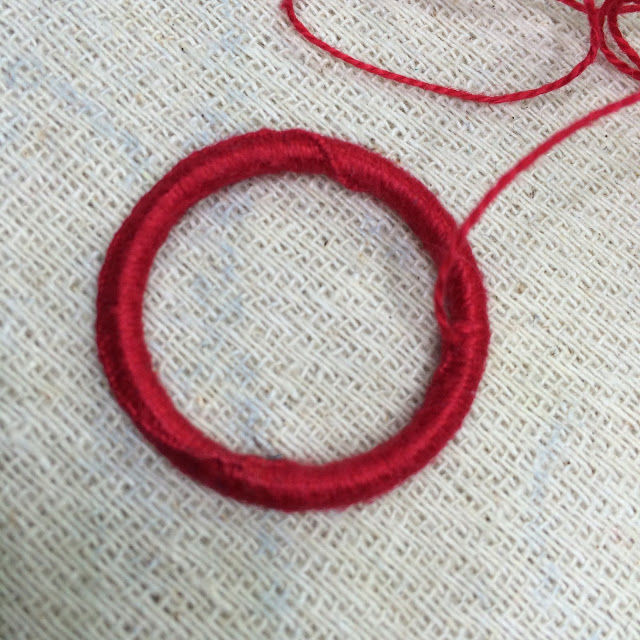
Turning edge to centre – Slicking

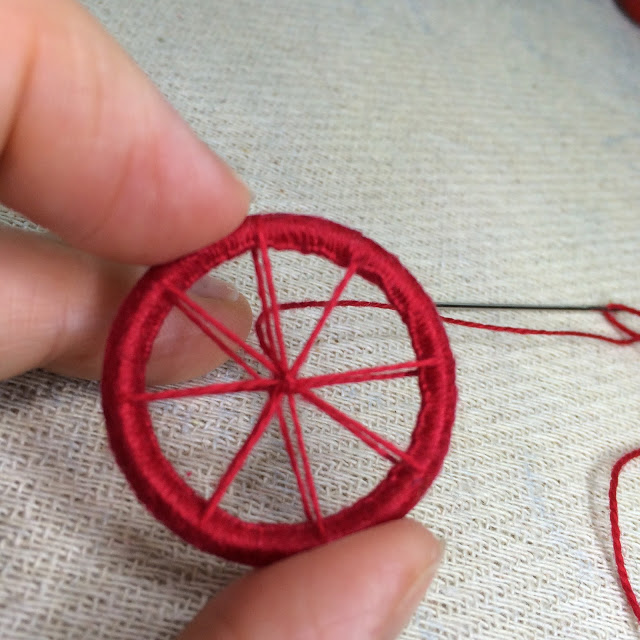
‘Laying’ was next. The thread was wound around the ring like spokes in a wheel. The number of spokes and their position on the ring can vary depending upon the pattern being created. I was making a Dorset Crosswheel so I only needed 8 spokes. I centred the spokes with two cross stitches before moving onto Rounding.
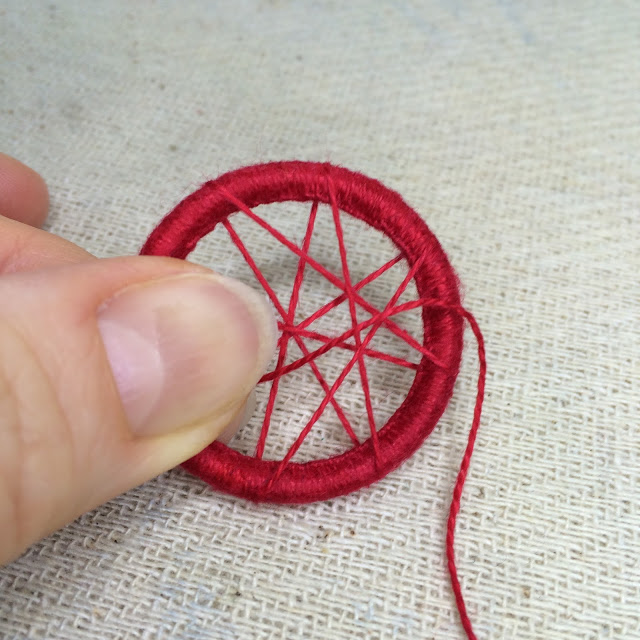
Making spokes – Laying
Cross-stitch in centre of spokes, ties them together

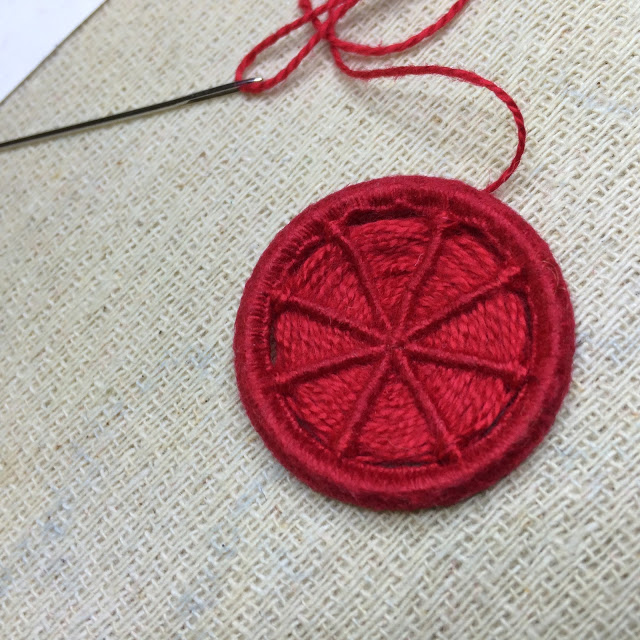
‘Rounding’ was the final stage.  Working from the back of the button, the thread was wound around the spokes in a kind of backstitch effect. This made the ‘ridges’ on the button front.
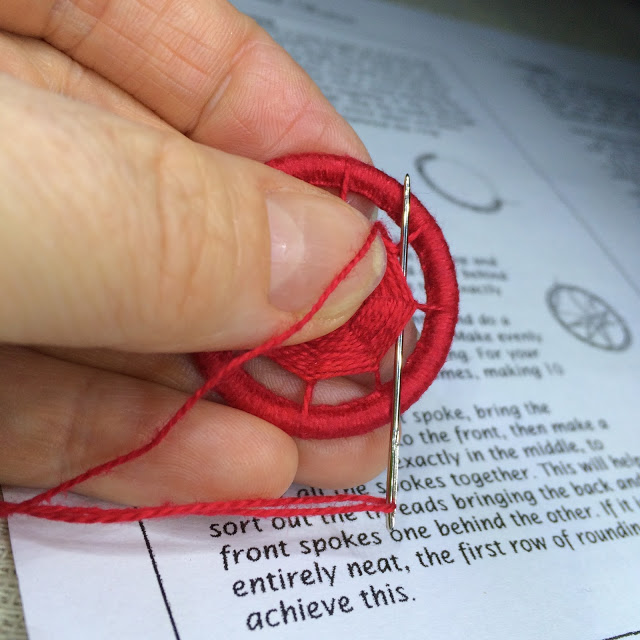
Using a backstitch around spokes – Rounding
Button Front

It was a very therapeutic morning of sewing.  I went home and made a few more before the day was over – it’s quite addictive. Dorset buttons are brilliant for embroiderers. Each button has a fabulous textured surface that’s a perfect background just waiting for more decorative stitching.

These are some of the pieces made over the weekend of the workshop. They include a few rings that have been Casted and are awaiting the next stage – when I can decide what design to settle on !

I hope this has inspired you to take a look at Dorset buttons and have a go making one. For more information on Dorset Buttons, check out the Gold Hill Museum in Dorset where the famous Hovis Hill is and a collection of original vintage Dorset Buttons can be found.
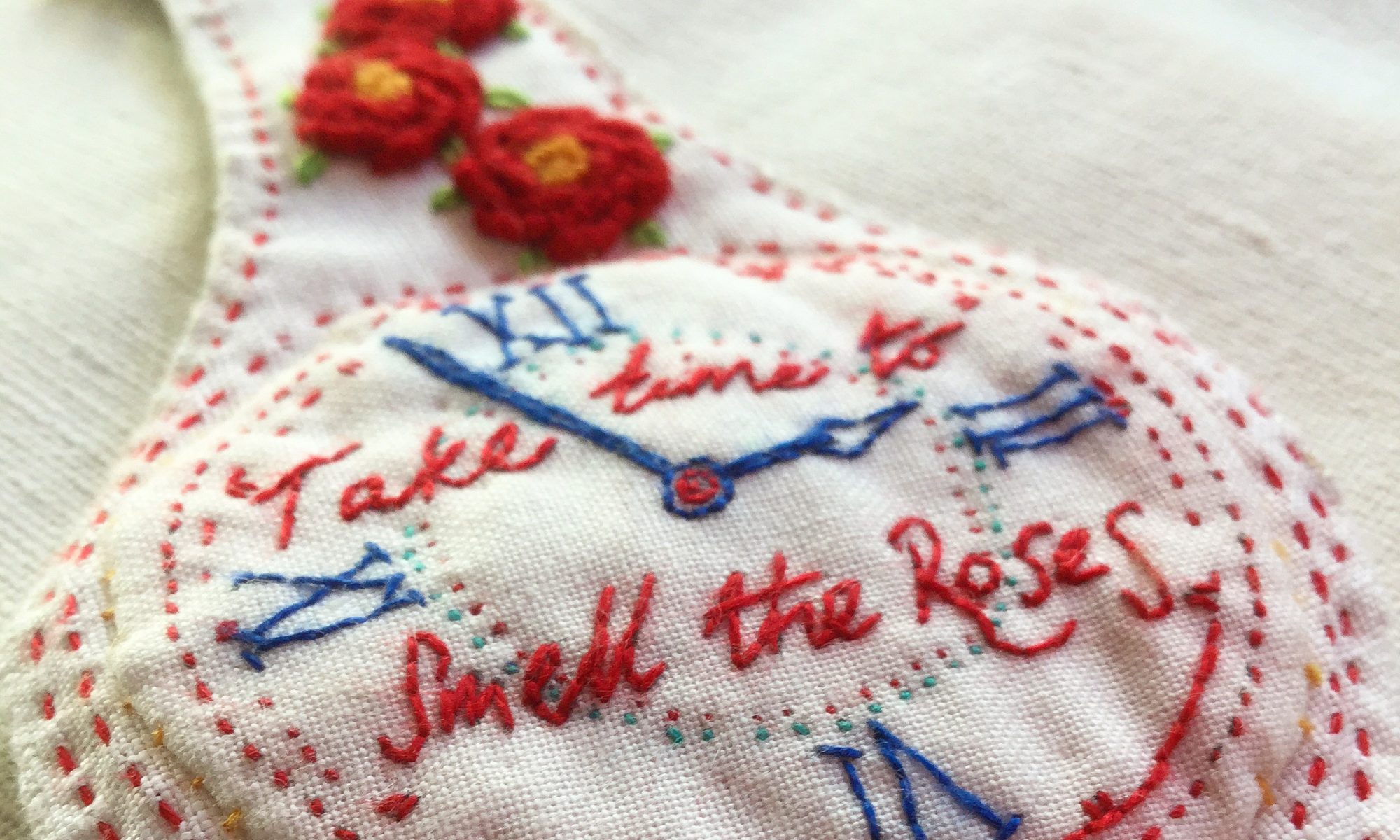
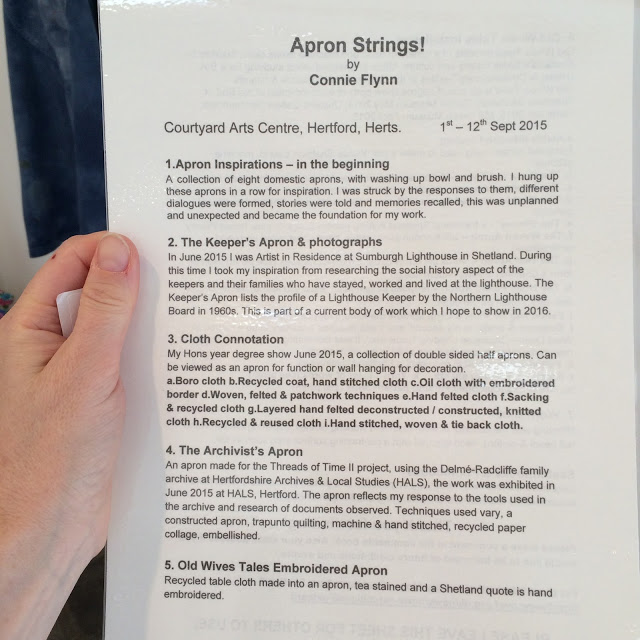
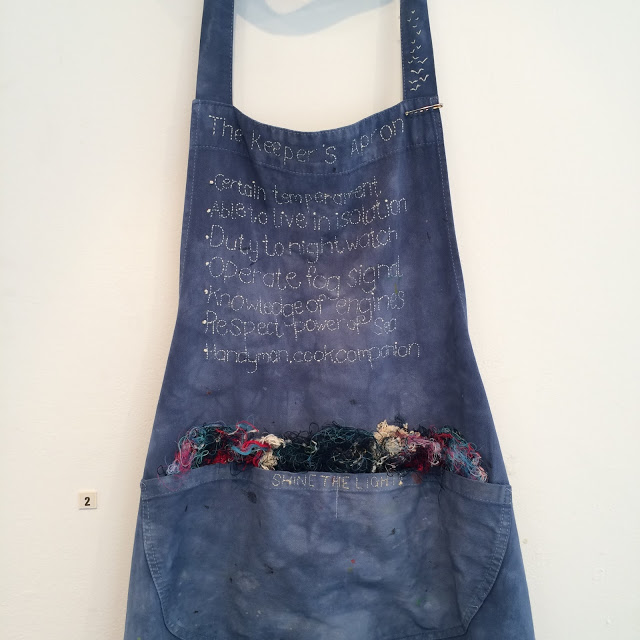
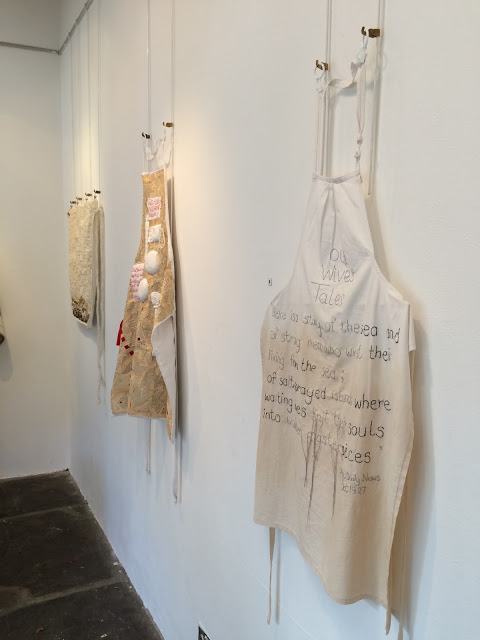
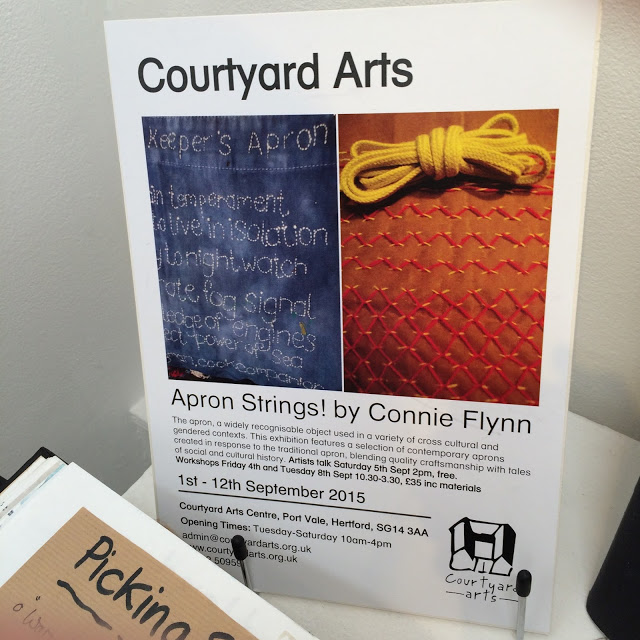
‘Apron Strings!’ Exhibition by Connie Flynn

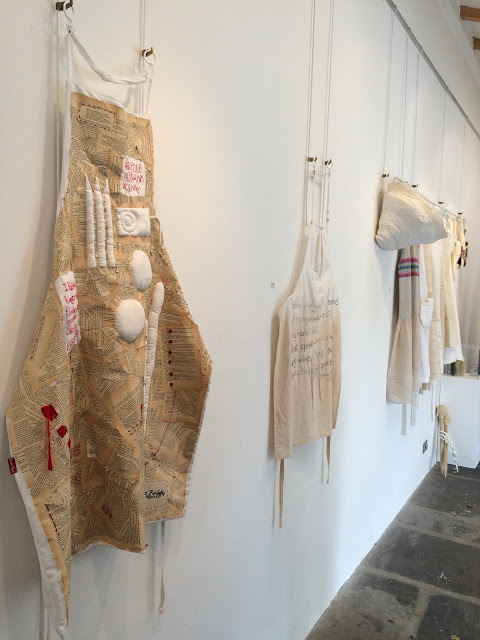
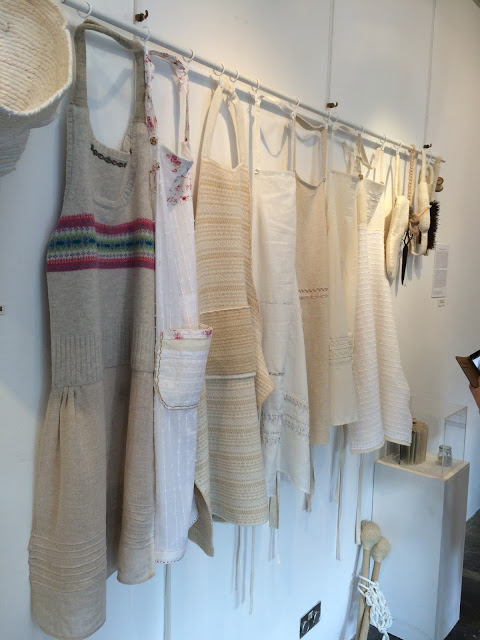
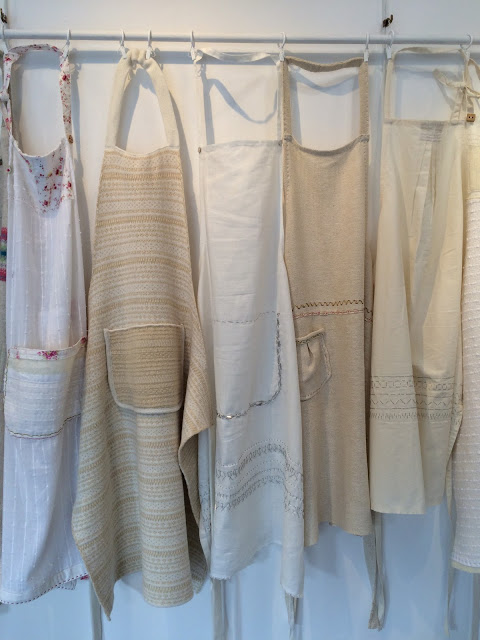
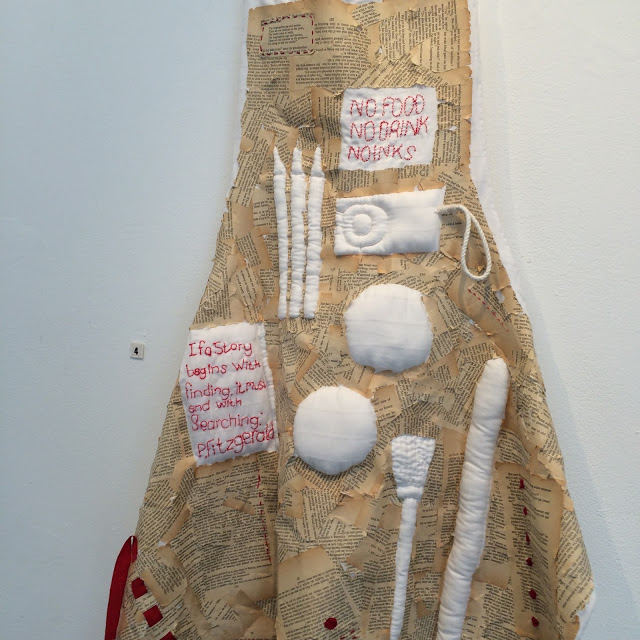
‘Apron Strings!’, a solo exhibition by Connie Flynn at Courtyard Arts.
I’d heard about this exhibition only last week so I was keen to see it before it closed.
I purposely hadn’t read too much about it before visiting so I had no preconceived ideas about what to expect other than embroidered aprons (which in itself is wonderful). How wrong was I. I was blown away with her work. Enjoy.


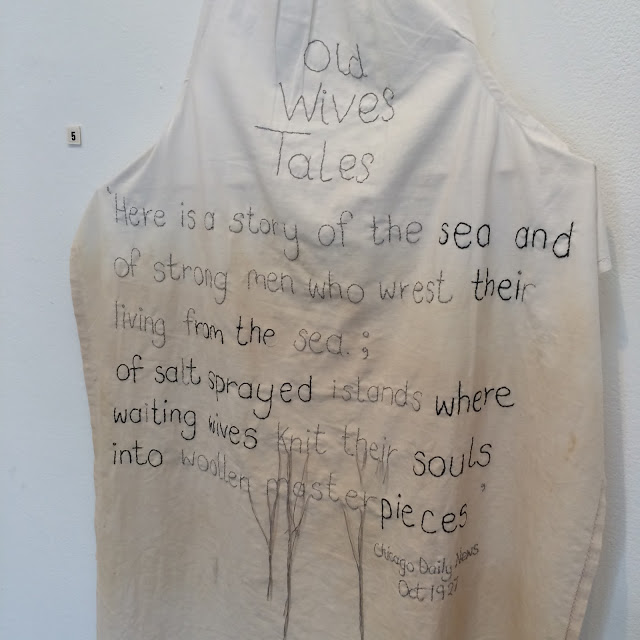
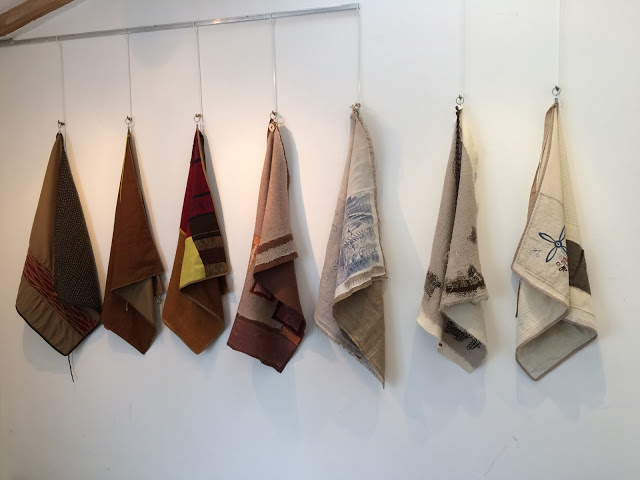
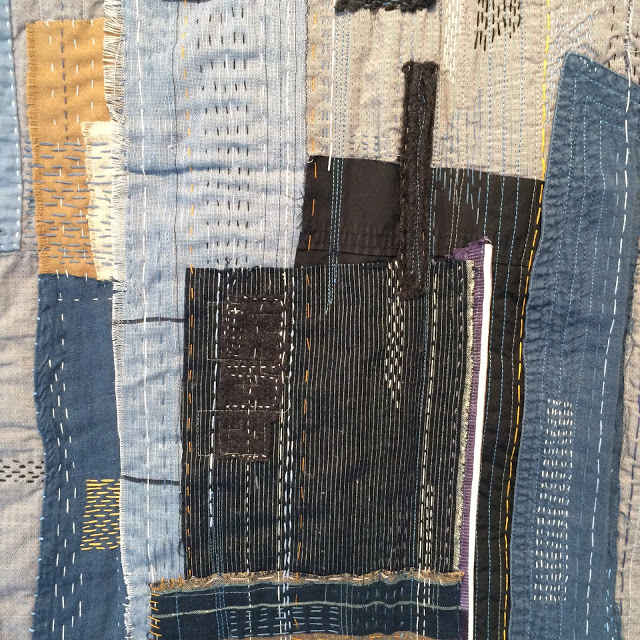
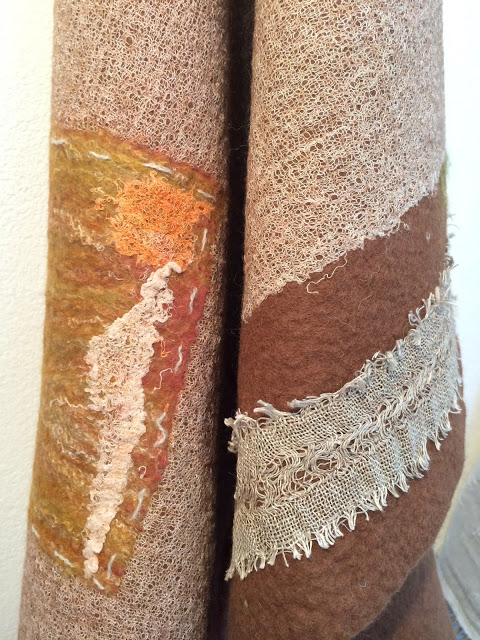
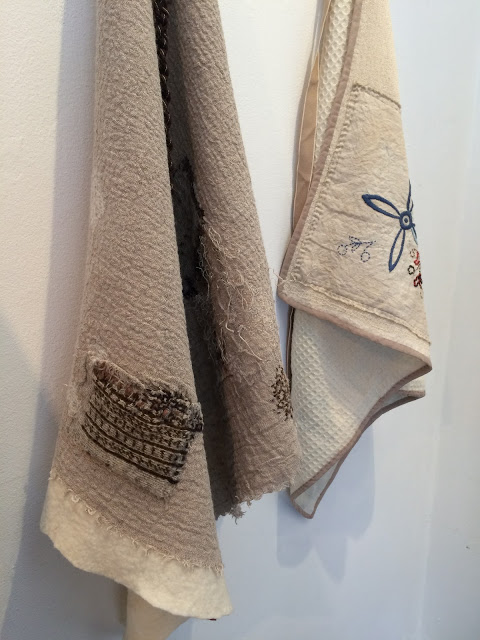
The pieces below are half aprons – the rectangular kind with ties that wrap around the waist. These pieces have been worked on both sides using every textile material to hand, from hand made felt to re-purposed tea towels.


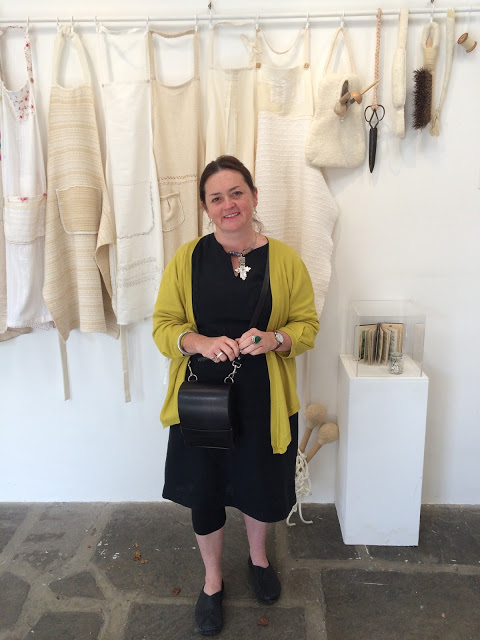
Connie Flynn

I had a good chat with Connie about her past and future exhibitions. I suggest getting in contact with her if you want to know more (her work is a breath of fresh air). She also offers workshops – I was a quick to add my name to her mailing list!  Connie is a very gifted lady and I have a feeling we will be hearing more about her in years to come.

Privacy Preference Center

Necessary

Advertising

Analytics

Other