Family History Society

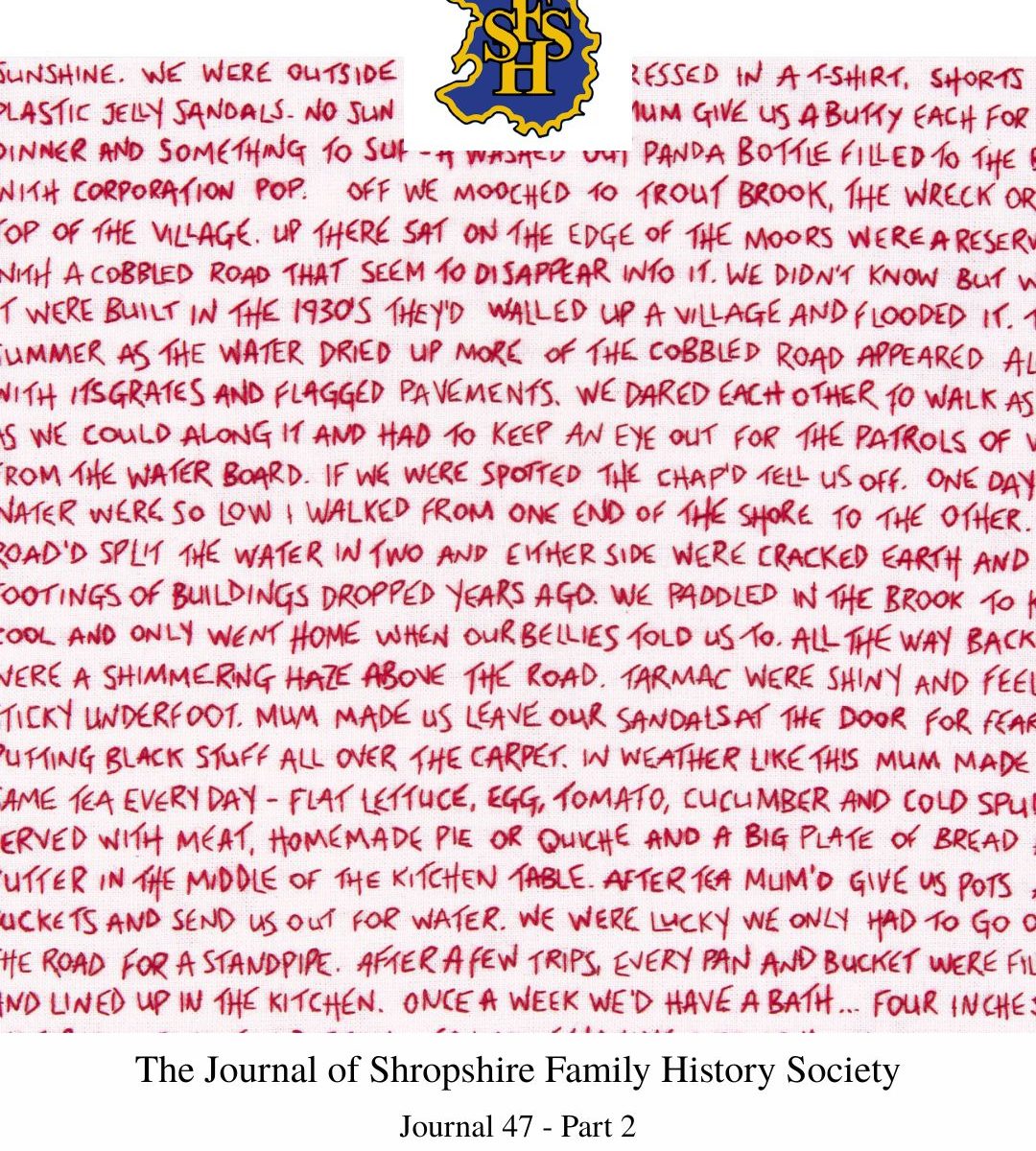
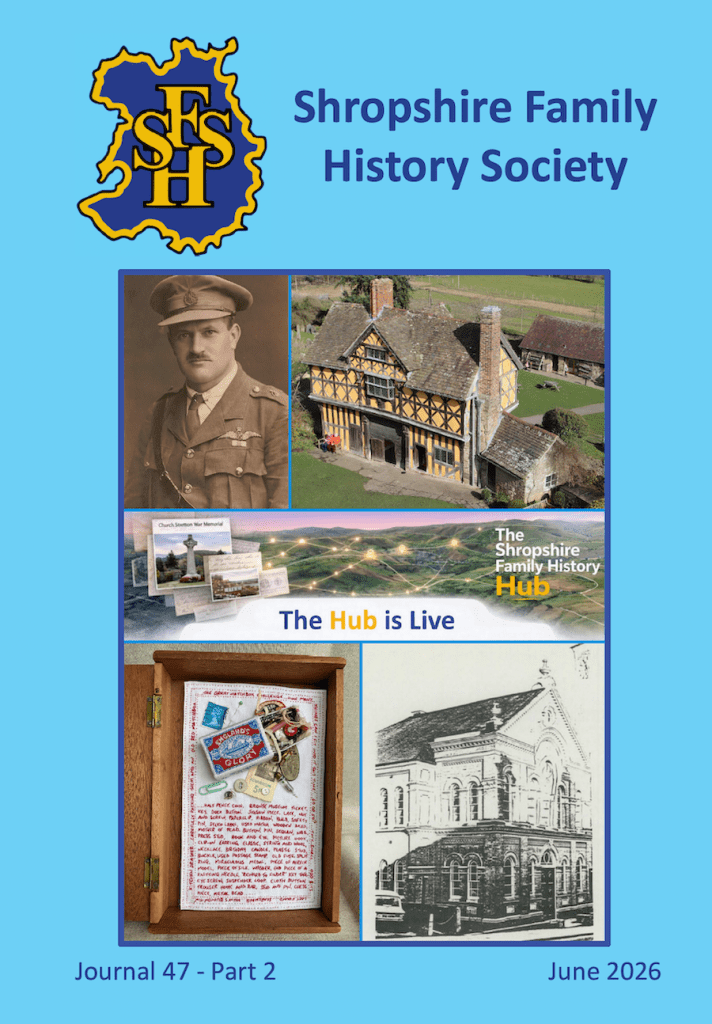
How a chance meeting at Snowshill Manor led to a journal article, is a story that begins earlier this year. During a week away in the Cotswolds, my husband and I discovered Snowshill Manor – a small and extraordinary National Trust property in Gloucestershire. Once owned by English kings and queens, it was later purchased by the eccentric collector Charles Wade. He spent his life filling it with the things he loved most. Little did I know that a chance conversation there would lead to my work – Matchbox Challenge and Summer ’76 – appearing in the Journal of the Shropshire Family History Society.
Family History Society
The Shropshire Family History Society

Among the rooms that stopped me in my tracks were those dedicated to Wade’s textile collection. Frame looms, spinning tools, warping equipment – all capturing a long and rich tradition of weaving. It was here, in one of those upstairs rooms, that I fell into conversation with one of the volunteers. As it turned out, she was the Chair of the Shropshire Family History Society and a fellow textile lover.

We chatted about sewing, dressmaking and our love of cloth. Before long, I found myself sharing photographs of my embroidery work on my phone.

We said our goodbyes and I thought nothing more of it. Then, a few weeks later, an email arrived. It was my new textile friend asking for permission for my work to appear in an article for the Journal of the Shropshire Family History Society – exploring the different and sometimes unexpected ways to record and share family history. In this case, through needlework – and of course I said yes.

The Journal of the Shropshire Family History Society

The article has now been published and I couldn’t be more pleased. It is a wonderful reminder that the best connections often happen when you least expect them – in a quiet room, surrounded by old looms, on an ordinary afternoon in the Cotswolds.
Family History Society
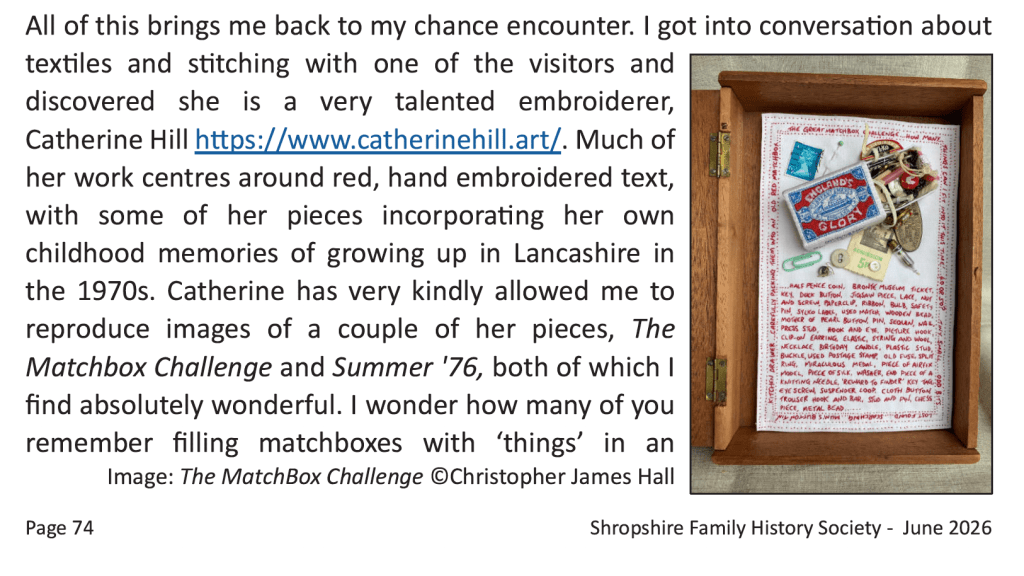
Screen shot of the article featuring Matchbox Challenge
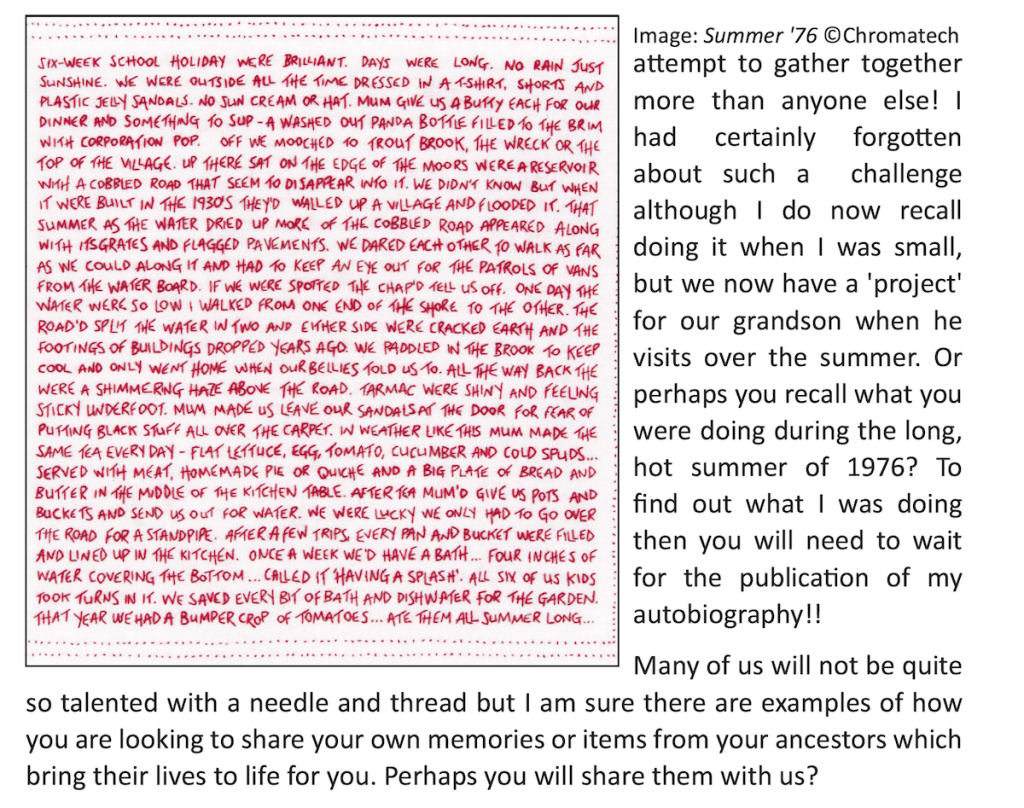
Family History Society Summer '76
Screen shot of the article featuring Summer ’76

Thank you to my new textile friend at the National Trust, and for the most unexpected and lovely article.
Day of Hand Darning

Day of Hand Darning

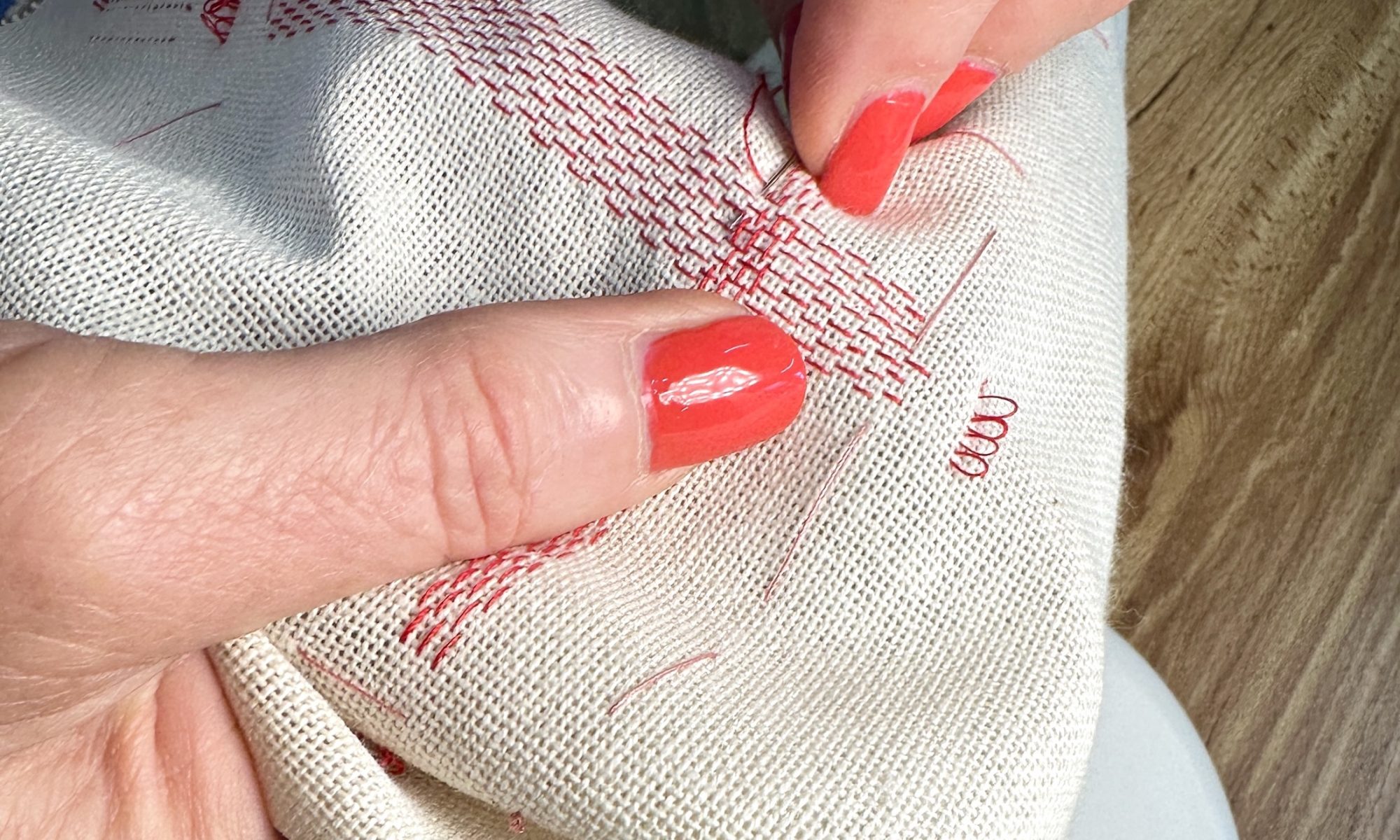
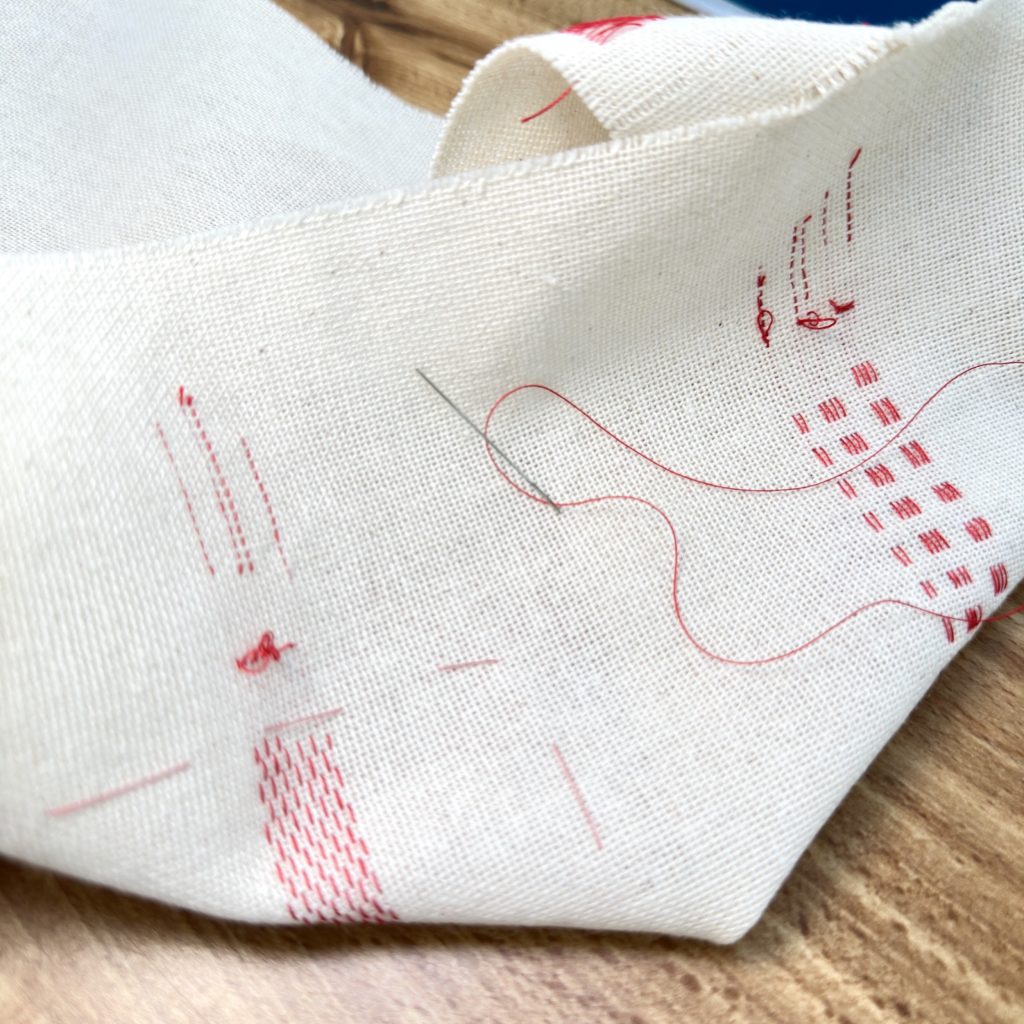
Yesterday’s day of Hand Darning at Shavington-cum-Gresty Village Hall was everything a workshop day should be – a wonderful group of students, slow stitching and, with temperatures soaring outside, a beautifully cool space to work in.

Day of Hand Darning
A student’s work in progress

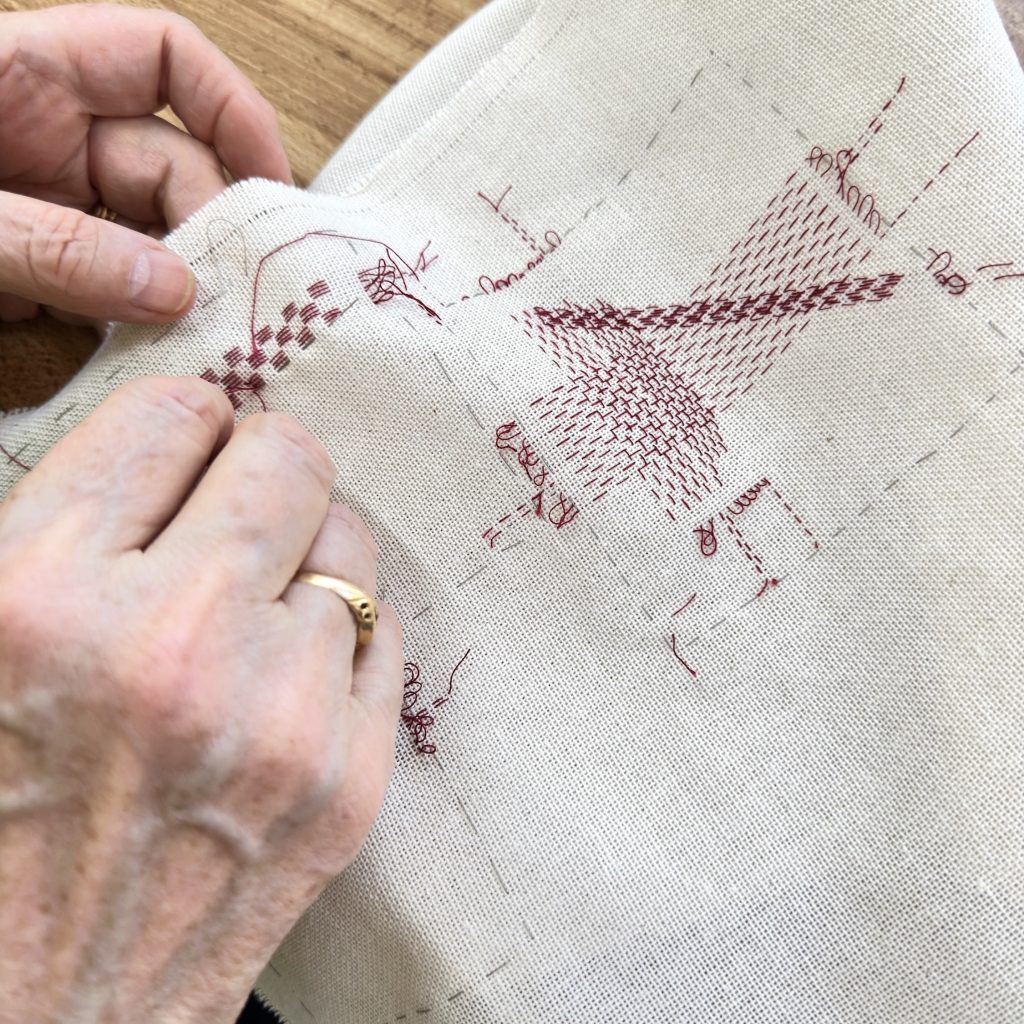
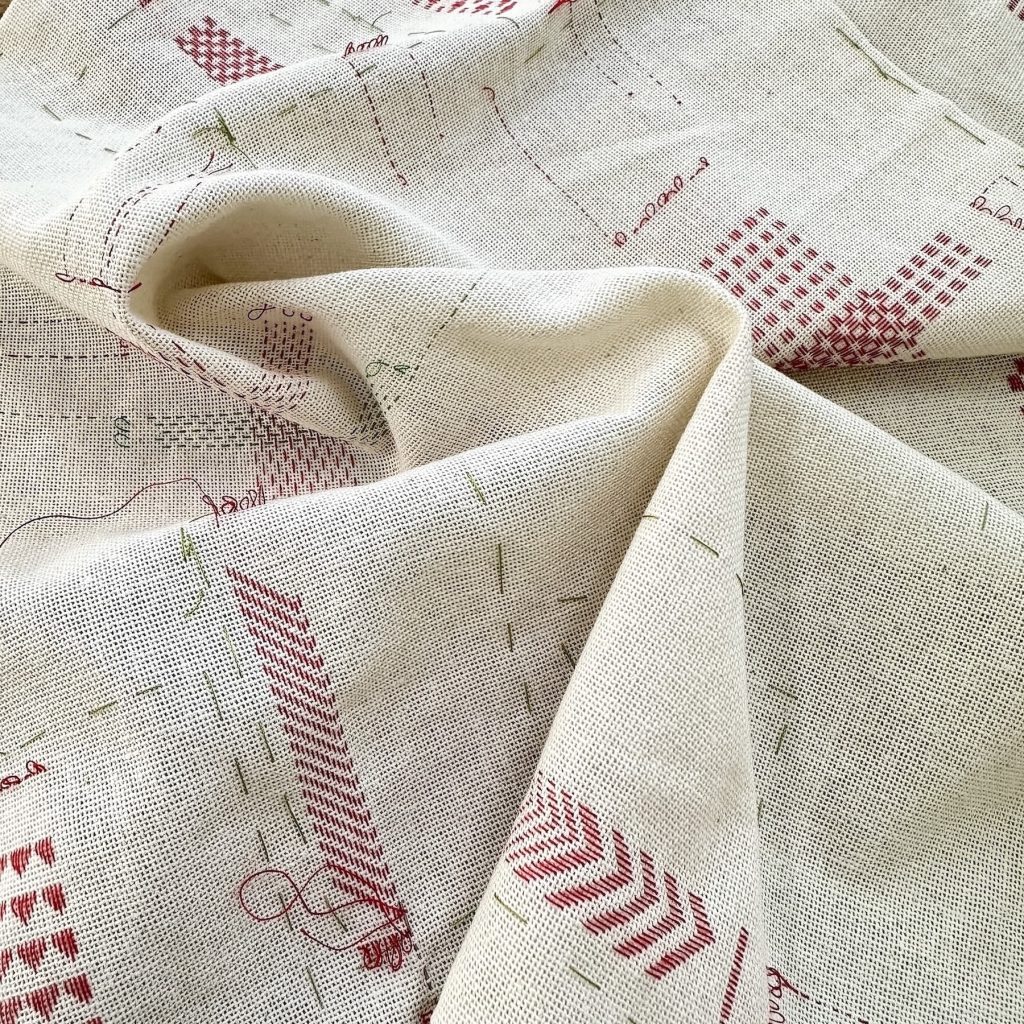
We began by working through a series of foundational stitch blocks and as the day progressed, so did the confidence in the room. By the afternoon we had moved into experimental crosshatching – one of my favourite areas of darning – where the rules begin to loosen and the real creative exploration begins. The results were beautiful and, I think, genuinely surprising to the students themselves.

Day of stitching
Experimental crosshatching

Hand darning is often thought of as a purely practical skill – a way of mending and making do. But spend a day with a needle, a thread and a blank piece of cloth, and you begin to see it very differently. It is patient, meditative and endlessly inventive.

hand darning
My Hand Darning Workshop sample – a continuing work in progress

Thank you to every one of my students for their curiosity, enthusiasm and wonderful company yesterday. I hope the stitch blocks we worked through together find their way into your future projects.

Right to Roam Exhibition

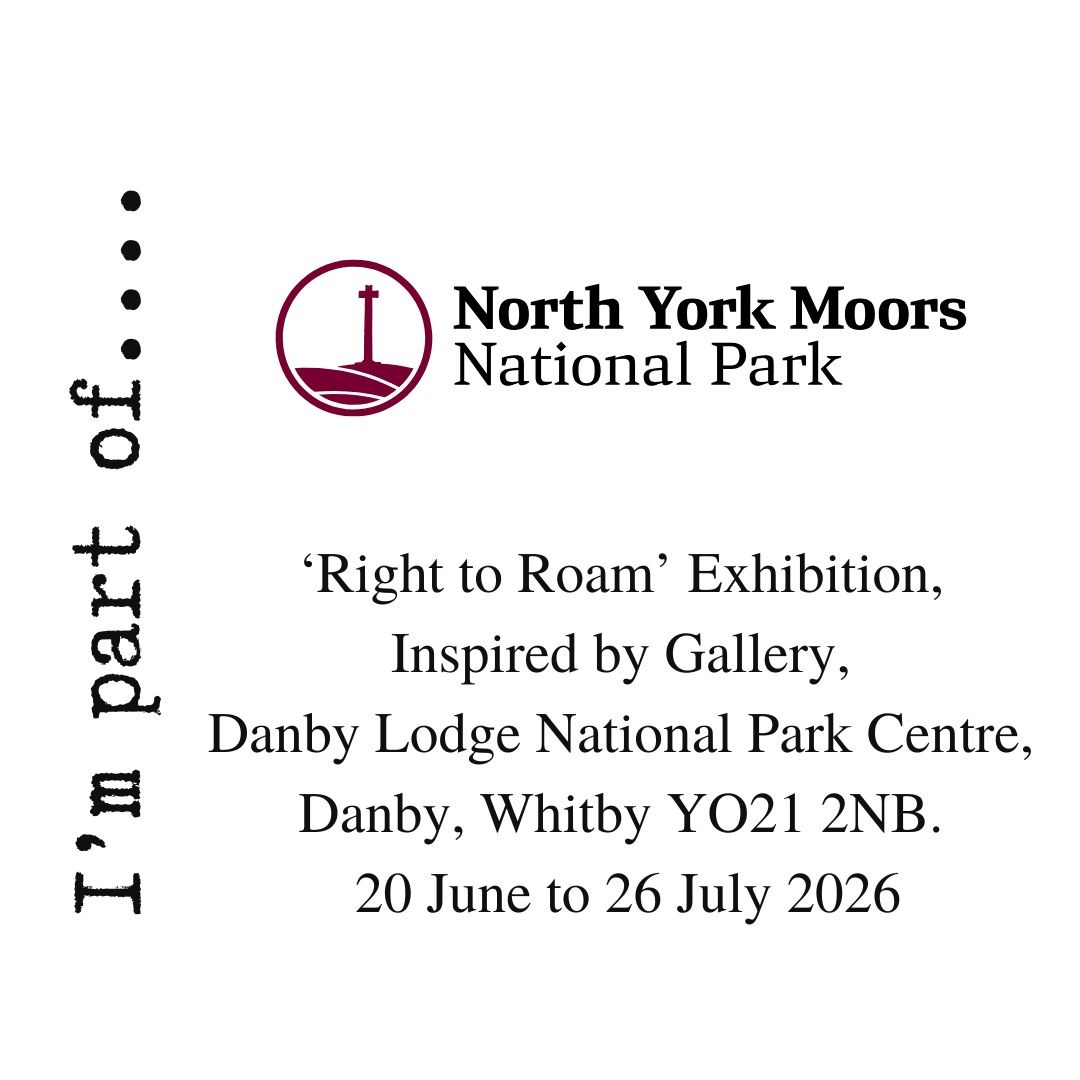
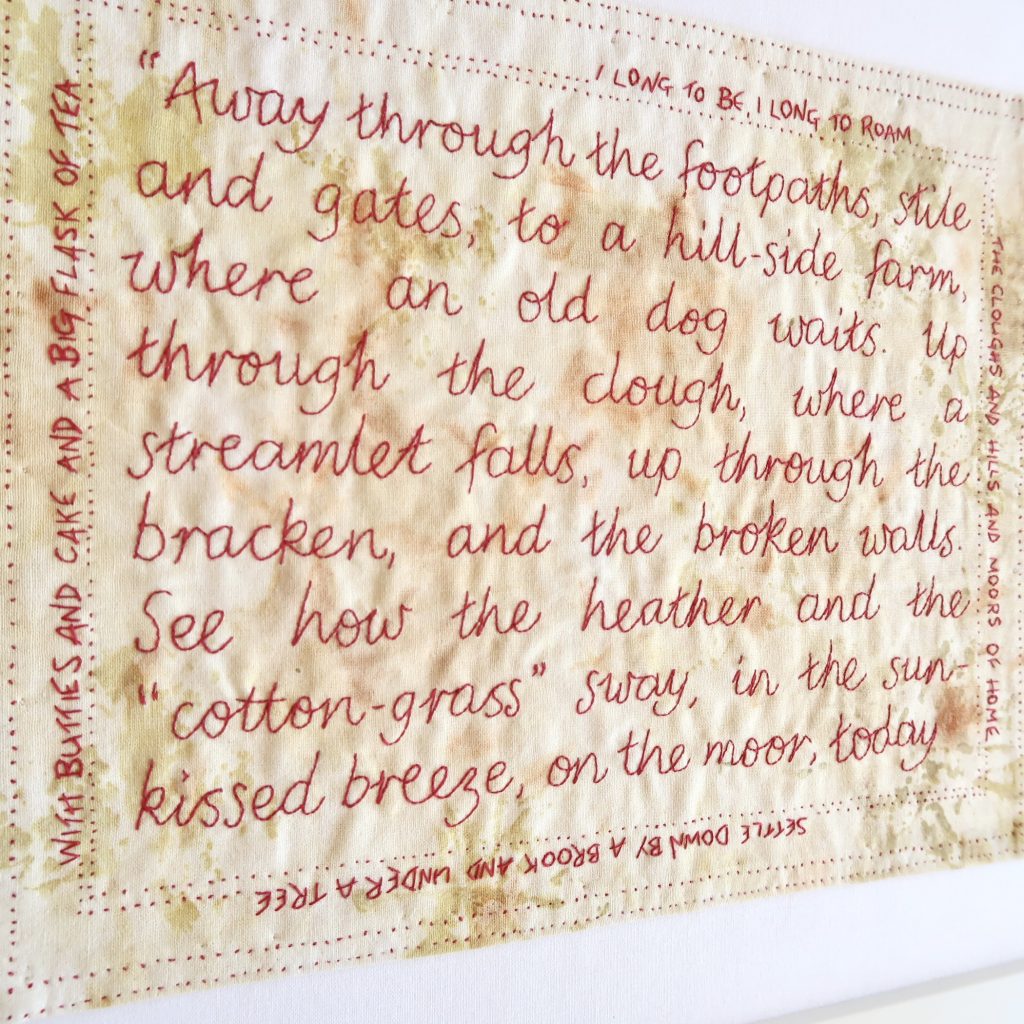
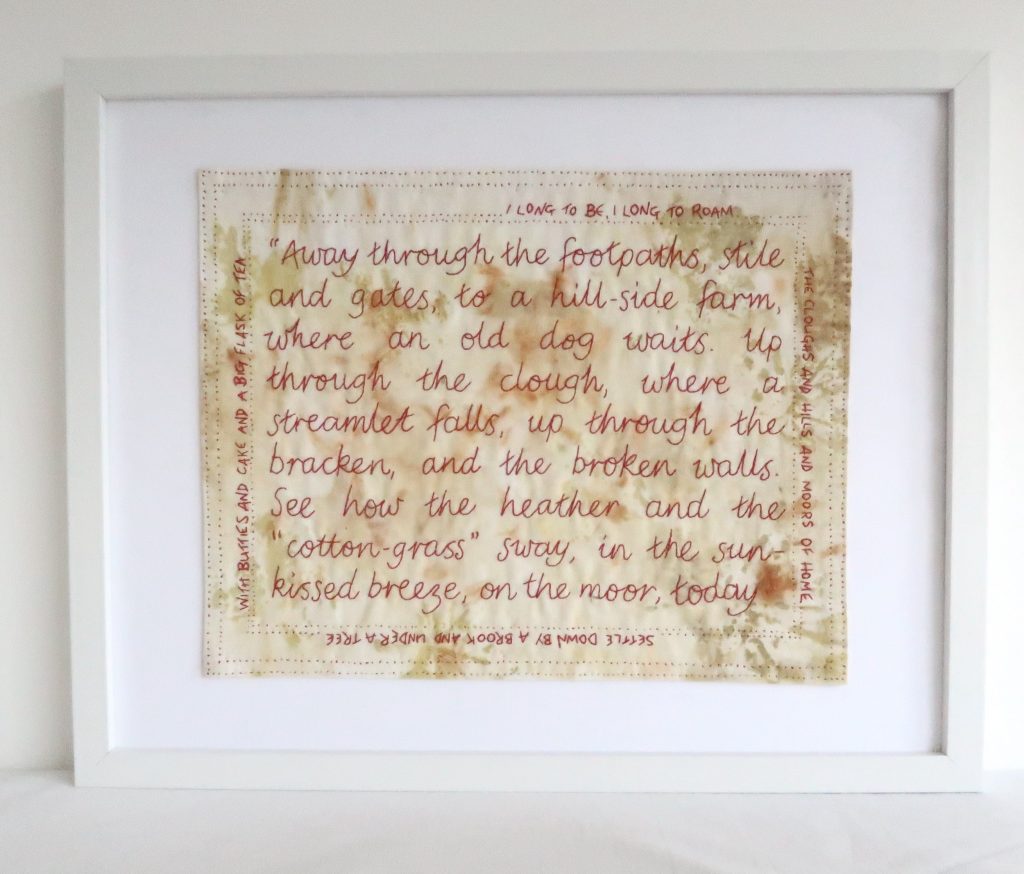
I’m delighted to share that Moors of Home is part of the Right to Roam exhibition in the North York Moors.

The exhibition runs from 20 June to 26 July 2026 at the Inspired by Gallery, Danby Lodge National Park Centre, Lodge Ln, Danby, Whitby YO21 2NB.

Right to Roam
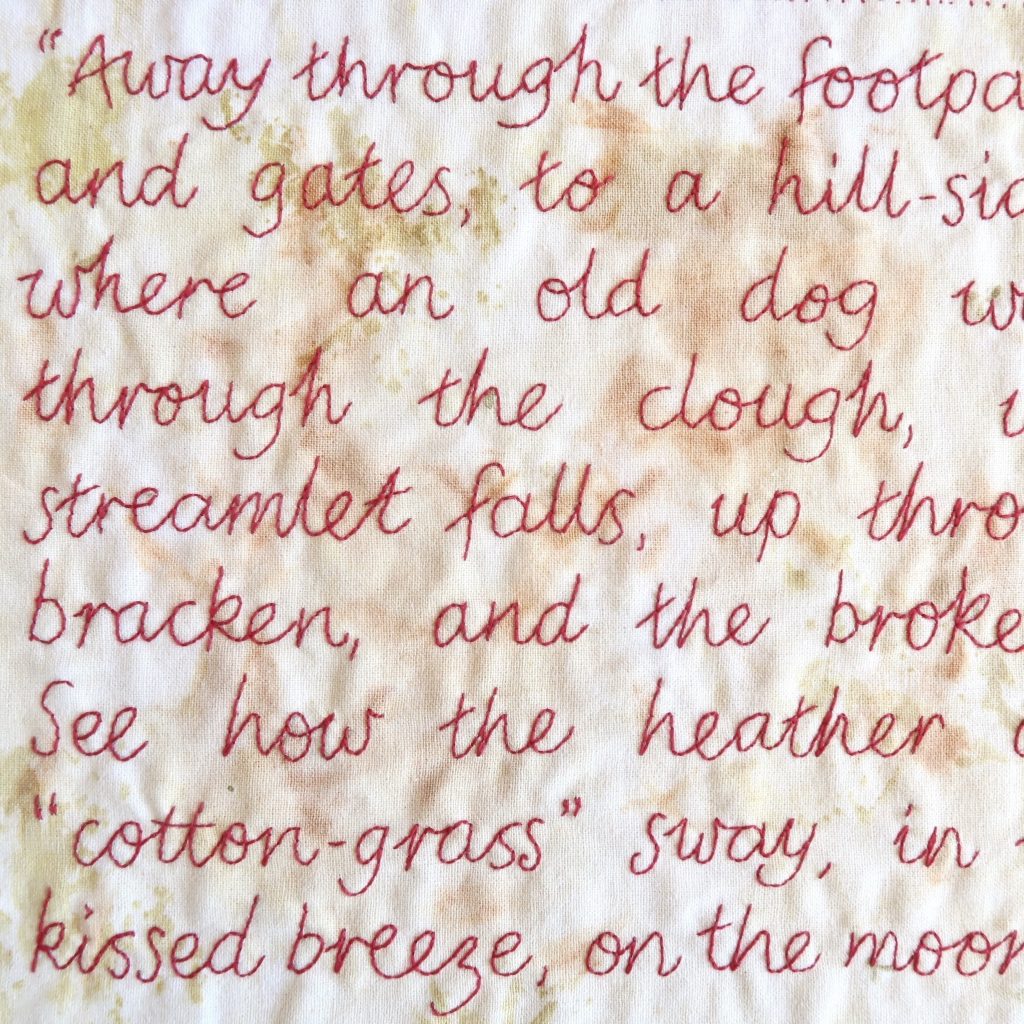
Moors of Home

Right to Roam Exhibition

Who gets to roam the countryside? Who gets to care for it?

“Nearly a century ago, workers from the industrial towns and cities of northern England began organising, not for better wages or shorter hours, but for something many now take for granted: the opportunity to walk freely in the countryside. Their campaign culminated in the 1932 Kinder Scout Mass Trespass, a landmark moment that helped shape the future of public access and contributed to the creation of Britain’s National Parks……

Right to Roam - Moors of Home
Right to Roam exhibition – Moors of Home

……This exhibition reflects on the history of the right to roam movement and its impact on the creation of England’s National Parks and public rights of way. Bringing together artists passionate about access to our shared landscape and artefacts from the Working-Class Movement Library, this display delves into what access to the countryside means to artists……

Right to Roam exhibition
Moors of Home – detail

Right to Roam invites visitors to consider the legacy of those early campaigners and to reflect on their own connection to the landscape. It is an exhibition about access, but also about care, belonging, memory and ways people find meaning in the natural world.” – Inspired by Gallery.